Stem Cell Therapy for Autism (ASD)

At the Stem Cells Transplant Institute in Costa Rica, we offer mesenchymal stem cell (MSC) therapy for autism (ASD) to support neurological function and improve quality of life.

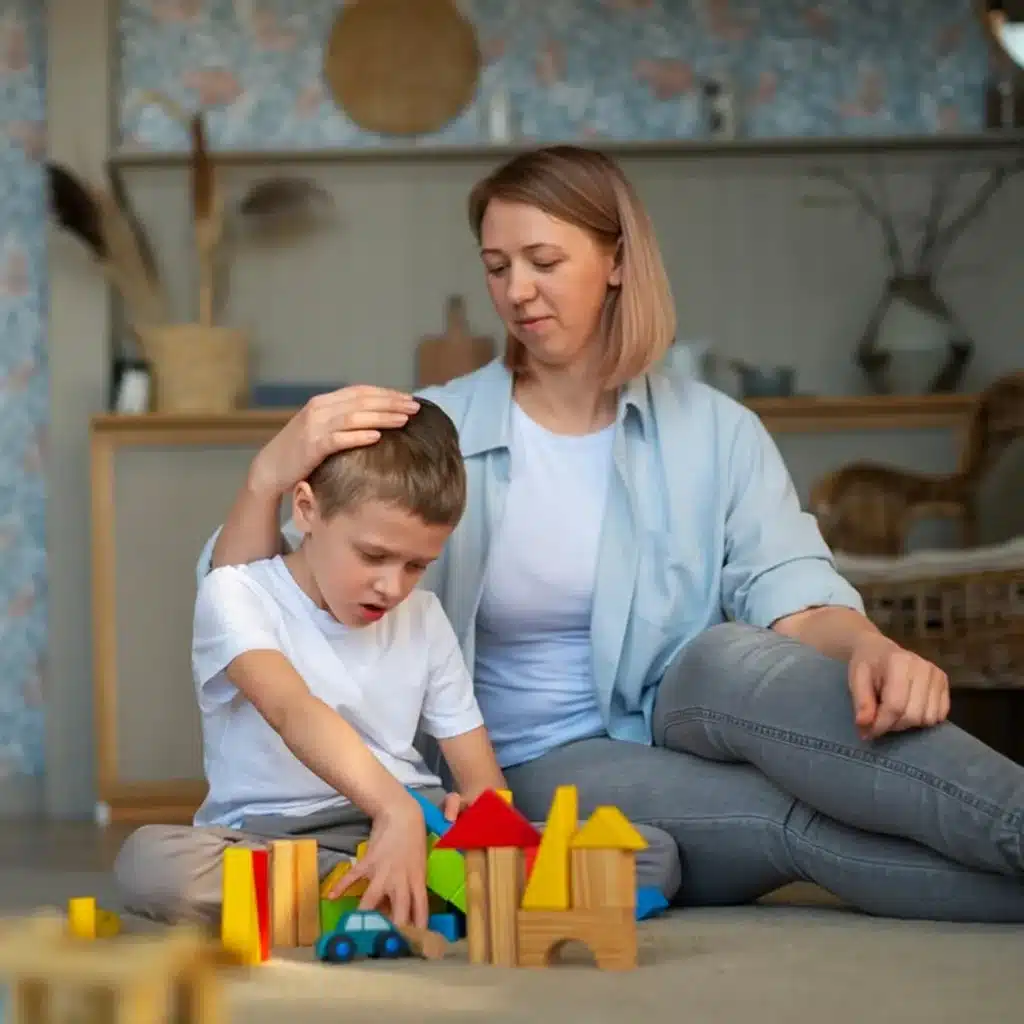
Madre acaricia a su hijo mientras él juega con bloques de construcción de madera en el suelo.
Reviewed: 19 Apr 2026

What is Autism (ASD)?

Autism Spectrum Disorder (ASD) is a complex neurodevelopmental condition characterized by differences in social communication, sensory processing, and behavioral patterns. Each individual with autism has a unique profile of strengths and challenges.
Current research suggests that autism involves neuroinflammation, immune dysregulation, and differences in neural connectivity. These insights have opened new pathways for therapeutic interventions, including regenerative medicine approaches.

At the Stem Cells Transplant Institute in Costa Rica, we offer personalized mesenchymal stem cell (MSC) therapy programs for individuals with Autism Spectrum Disorder (ASD).
Our approach combines science, safety, and compassionate care to help address biological factors that may contribute to autism, such as inflammation, immune dysregulation, and neural connectivity imbalance.

“1 in 36 children in the United States is diagnosed with autism”

CDC, Autism and Developmental Disabilities Monitoring Network, 2023

Why Seek Stem Cell Therapy for Autism (ASD) in Costa Rica?

Stem cell therapy for Autism (ASD) at Stem Cells Transplant Institute is delivered in San José, Costa Rica, within a certified medical facility operating under structured clinical protocols and physician supervision.

Families from the United States, Canada, and Europe travel to Costa Rica to access MSC therapy programs that remain largely unavailable in their home countries at a significantly lower cost than comparable private programs in North America.

There are direct flights from major U.S. and Canadian cities to San José that typically last 3 to 5 hours. At our institute, most on-site protocols are completed within 3 to 5 days. These are practical logistics important when traveling with a child with specific routine and sensory needs.

Finally, all autism treatment programs begin with a medical screening and case review. Each therapy protocol is adjusted to your child’s diagnosis, medical history, and clinical evaluation.

Common Characteristics

  • Differences in social communication and interaction
  • Repetitive behaviors or restricted interests
  • Sensory processing variations
  • Diverse learning and cognitive abilities
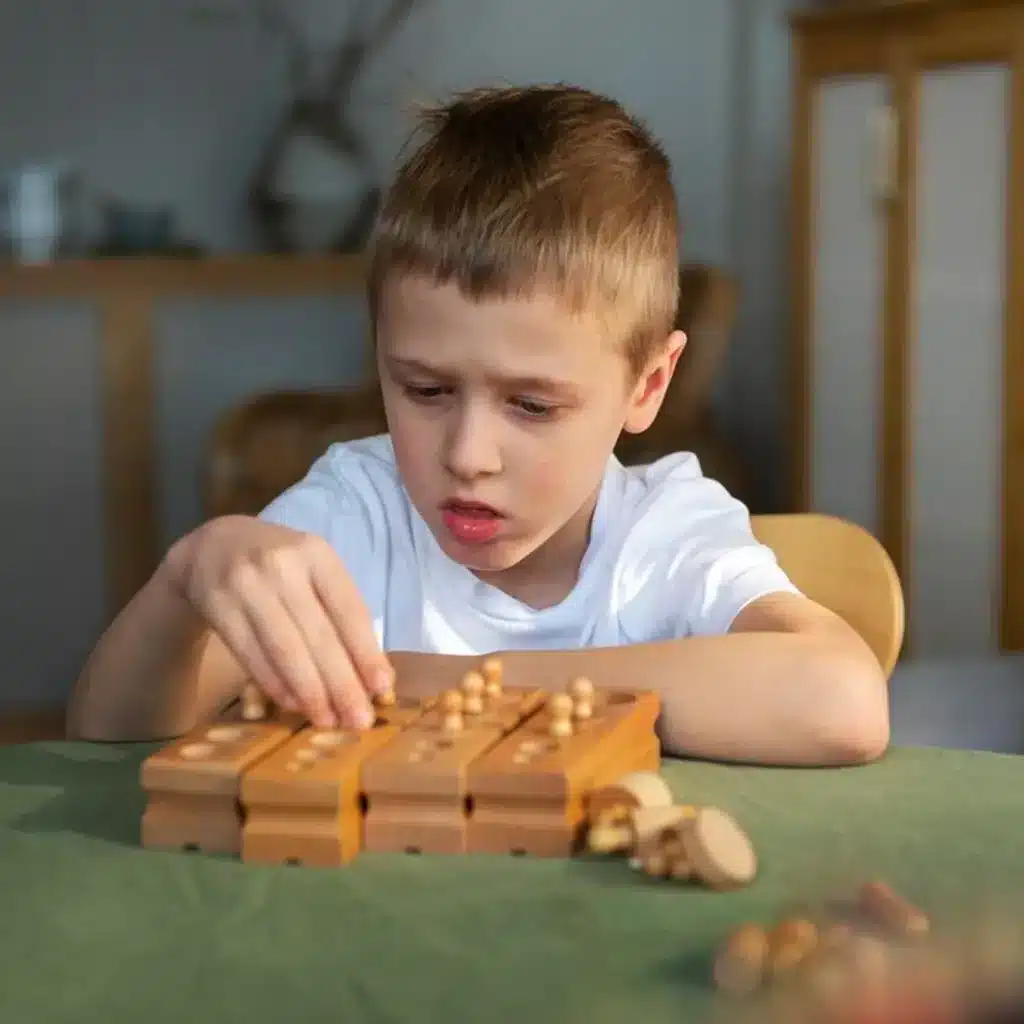
Niño de cabello rubio, concentrado y con expresión de pensar, jugando un juego de lógica o estrategia de mesa de madera con clavijas.
Evidence-Based Treatment

Why Stem Cells for Autism?

Emerging clinical research suggests that mesenchymal stem cells may help to support the body’s own healing and regulatory processes.
Preclinical and early clinical studies indicate that mesenchymal stem cells (MSCs) can help modulate inflammation, balance immune responses, and promote healthier neural activity.

(Evidence remains preliminary, and ongoing controlled clinical trials are required to confirm the magnitude and consistency of these effects.

1

Reducing Inflammation

MSCs release signaling molecules(cytokines and growth factors) that can help reduce inflammatory processes in the brain.
Lower inflammation may allow neuron to function more effectively
(Source: Frontiers in Pediatrics, 2022)

Icono minimalista de un cerebro humano de color púrpura que destaca la división entre los dos hemisferios cerebrales sobre un fondo negro sólido.
2

Balancing the Immune System

MSCs may help “reset” immune activity toward a more regulated state, potentially working in a healthier way.
This may help reduce chronic inflammation and improve overall well-being.
(Source: World Journal of Methodology, 2021)

3

Protecting and Repairing Nerve Cells

MSCs naturally release trophic factors (protective proteins) that support neural survival and synaptic connectivity.This may strengthen areas of the brain involved in communication, learning, and behavior.
(Source: Frontiers in Cell & Developmental Biology, 2022)

4

Improving Brain Connectivity

Brain scans from clinical studies have suggested that some patients may experience enhanced communication between brain regions following stem cell therapy, which could be be associated with improved attention, calmness, or stronger social responses.
(Source: Stem Cells Translational Medicine, 2019)

Expected Benefits and Clinical Observations​

Although individual responses vary widely, published studies and clinical observations have reported potential supportive improvement in the following functional domains:

Communication
30-50%
Icono de dos burbujas de chat superpuestas que simbolizan la comunicación, el diálogo o los mensajes directos.
Behavioral Regulation
30-50%
Icono morado de una cara sonriente rodeada de tres signos de más, simbolizando positividad, mejora continua y bienestar.
Social Interaction
30-45%
Sleep and Emotional Stability
20-35%
Icono morado de luna creciente y dos estrellas sobre fondo lila, simbolizando el modo nocturno, descanso o configuración de tema oscuro en una interfaz de usuario.
Cognitive and Learning function
25-40%
Icono que simboliza la estrategia y el proceso cognitivo, mostrando una silueta de cabeza humana con un engranaje mecánico en su interior.
Gastrointestinal Wellbeing
20-30%
Icono de cubiertos que muestra la silueta morada de un tenedor y un cuchillo, utilizado frecuentemente para representar menús, recetas y la industria de restaurantes.

*These percentages summarizes ranges reported in selected clinical studies and observational cohorts under controlled conditions and standardized outcomes measures. They are not specific to any single study or to treatments performed at Stem Cells Transplant Institute. They should not be interpreted as averages, promises, or guaranteed results for individual patients. Evidence for MSC therapy in autism remains preliminary, and ongoing controlled clinical trials are still evaluating the magnitude, durability and consistency of these effects. All observations should be considered exploratory and hypothesis-generating rather than definitive proof of efficacy.

Timeline of Reported Improvements

Published studies and patient-reported outcomes suggest that improvements after mesenchymal stem cell (MSC) therapy for autism may develop gradually over time. These timelines are illustrative summaries rather than predictions, and individual responses vary significantly

1-3 months
Some families report early changes in sleep , focus, and emotional regulation
3-6 months
Gradual improvement in language, attention, and social engagement in selected cases.
6-12 months
Sustained or incremental developmental progress in a subset of patients

*These timelines summarize patterns reported across selected published studies and observational cohorts. They are not specific predictions, and they do not represent expected outcomes for any individual patient. Individual experiences vary considerably, and some patients may experience minimal or no improvement. Evidence for MSC therapy in autism remains preliminary, and larger controlled clinical trials are needed to validate these observations. All timelines should be interpreted as exploratory and non-confirmatory.

Patient Stories & Testimonials

Frequently Asked Questions

When performed in a controlled medical environment under physician supervision, MSC therapy has shown a generally favorable safety profile. Temporary fatigue, mild fever, or slightly discomfort at the infusion site may occur.

No. Autism is a complex neurodevelopmental condition. Stem cell therapy is not a cure but may help improve certain biological and functional parameters and overall quality of life.

Most patients undergo one protocol (single or multiple infusions) with follow-up evaluations at 3 and 6 months.

The route of administration is determined by the treating physician and may include intravenous (IV) or, in selected research-based cases, intrathecal (IT) infusion under strict sterile and anesthetic conditions.

The choice of route depends on individual evaluation, safety considerations, and clinical rationale.

We use umbilical-cord-derived mesenchymal stem cells (UC-MSCs) obtained from ethically screened and tested donors, processed in an certified lab under Costa Rican health regulations.

Some improvements may appear within 1–3 months, with continued changes up to 12 months post-treatment.

Responses vary between individuals, and no specific outcome can be guaranteed.

Most reported side effects are mild and temporary (e.g., fatigue, low-grade fever, or local soreness).
Less common but possible risks include:

  • Transient blood pressure changes, headache, or dizziness during infusion
  • Mild nausea or chills
  • Local inflammation or infection at the IV site
  • Rare immune or thromboembolic reactions (extremely uncommon under current safety practices)

If intrathecal administration is performed, additional specific risks include:

  • Post-procedure headache or back pain
  • Nausea, vomiting, or transient fever
  • Local bleeding or cerebrospinal fluid leakage
  • Meningeal irritation or, rarely, infection
    Intrathecal infusions are performed only when medically justified and under anesthesiology supervision in a fully equipped sterile environment.

All procedures are conducted under continuous medical supervision with emergency support available on-site.

Stem cell therapy for autism in Costa Rica typically costs 50% to 70% less than in the United States. Exact pricing depends on the treatment plan, but patients can expect significant savings while receiving personalized regenerative care.

Key Research Studies

Efficacy and Safety of Stem Cell Therapy in Children With Autism

Frontiers in Pediatrics • 2022

Systematic review and meta-analysis reporting improvements in autism symptoms and an overall favorable safety profile for stem cell therapy.

View published study

Mesenchymal Stromal Cells in the Treatment of Autism Spectrum Disorders

Frontiers in Cell & Developmental Biology • 2022

Clinical review suggesting MSC therapy may help regulate immune dysfunction and support behavioral improvements in ASD.

View published study

Rational Use of Mesenchymal Stem Cells in Autism Therapy

World Journal of Stem Cells • 2019

Scientific analysis supporting MSCs as a promising approach to address neuroinflammation and immune imbalance in autism.

View published study

Cell Therapies for Autism Spectrum Disorder: Clinical Applications

Middle East Current Psychiatry • 2023

Systematic review of clinical trials reporting positive therapeutic trends and safety of cell therapies in ASD.

View published study
info
Location

San José, Costa Rica

Contact Us

info@stemcellstransplantinstitute.com

Call Center

+1 888 785-4170

APPLY TODAY