
Peptide Therapy
in Costa Rica
Supporting cellular communication and physiological balance through precision medicine.
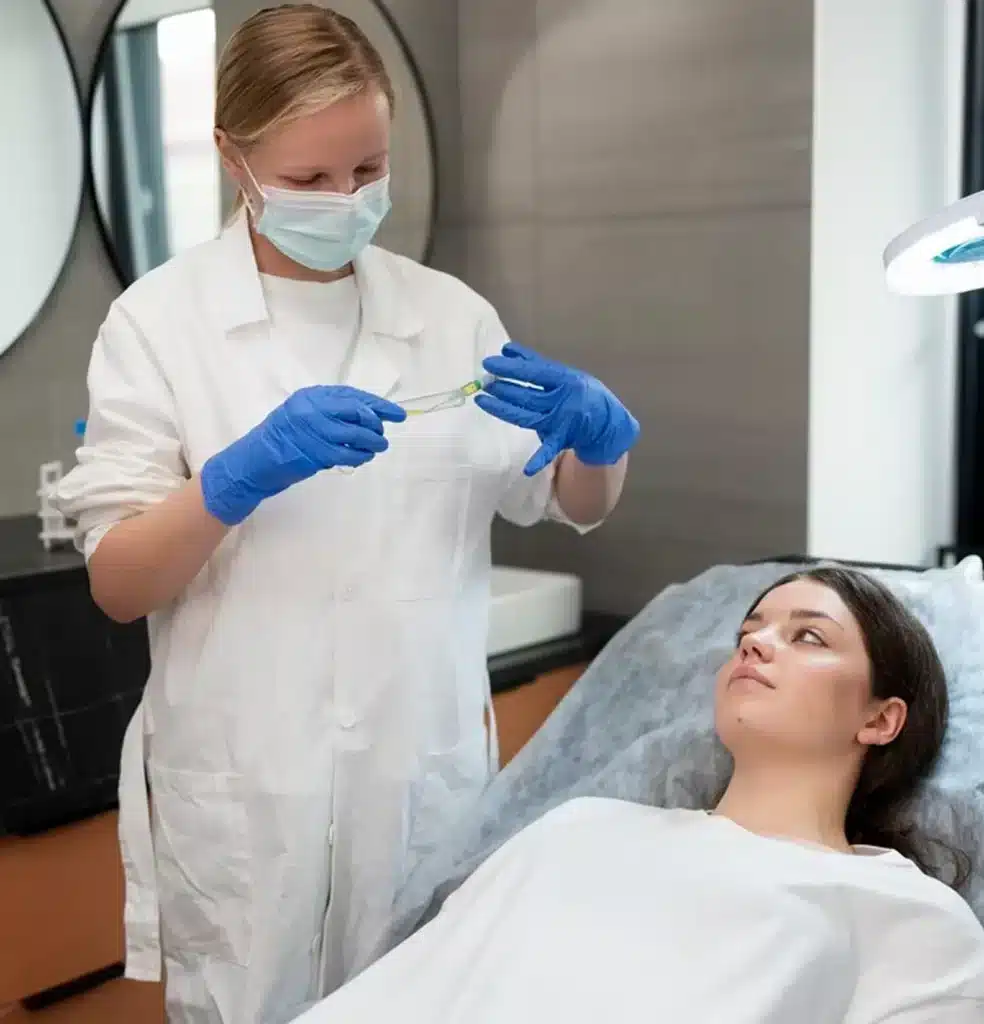
At the Stem Cells Transplant Institute in Costa Rica, we offer physician-directed peptide therapy protocols designed to support the body’s natural regulatory and repair processes. Peptide therapy is a growing field within regenerative and integrative medicine, focused on short chains of amino acids that act as biological signaling molecules in the body.
Our approach emphasizes individualized assessment, medical oversight, and evidence-informed application, while recognizing that peptide therapies remain an evolving area of clinical research.
What are peptides?
Peptides are naturally occurring molecules composed of amino acids that serve as messengers between cells. In the human body, peptides help regulate processes such as tissue repair and regeneration, hormonal signaling, metabolic balance, immune modulation, sleep cycles, and cellular stress responses.
With aging, illness, or chronic stress, endogenous peptide production may decline, which has led to growing interest in peptide-based interventions as supportive therapies.
Peptides Offered at Stem Cells Transplant Institute
Peptides are selected and combined only after physician evaluation, based on medical history, goals, and safety considerations.
Tissue Repair & Recovery Support
BPC-157
TB-500
GHK-Cu
Growth Hormone Pathway & Body Composition Support
Ipamorelin
CJC-1295 (with DAC)
CJC-1295 (without DAC)
CJC-1295 + Ipamorelin
Metabolic & Weight Regulation Support
Semaglutide
Tirzepatide
Cellular Longevity & Mitochondrial Signaling
MOTS-C
SS-31 (Elamipretide)
NAD+ (1000 mg protocol)
Sleep, Circadian Rhythm & Neuroregulation
DSIP (Delta Sleep-Inducing Peptide)
Epitalon
Sexual Health & Neurovascular Signaling
PT-141 (Bremelanotide)
Availability and combination of peptides depend on medical eligibility and clinical rationale.
Why Peptide Therapy?
Emerging scientific literature suggests that specific peptides may help support physiological balance by interacting with molecules involved in healing, metabolism, inflammation, and cellular maintenance.
It is important to note that many peptide applications are considered investigational and outcomes vary widely between individuals. Ongoing clinical research is required to clarify long-term effects, optimal dosing, and durability of responses.
Proposed Mechanisms of Action

Cellular Signaling Support
Peptides interact with cell surface receptors, helping regulate biological communication involved in repair, metabolism, and hormonal balance.

Inflammation Modulation
Certain peptides have been studied for their potential role in supporting balanced inflammatory responses and oxidative stress regulation.

Tissue Repair and Recovery
Some peptides are associated with signaling pathways involved in angiogenesis, collagen synthesis, and cellular turnover, which may support recovery from injury or physical stress.

Metabolic and Mitochondrial Function
Select peptides are under investigation for their role in energy metabolism, insulin sensitivity, and mitochondrial signaling.
PEPTIDE THERAPY PROTOCOL AT OUR COSTA RICA INSTITUTE
A physician-directed, evidence-informed approach focused on safety, personalization, and ongoing monitoring.
Traveling for treatment? Our team will guide you every step of the way.
Why Choose Costa Rica for Peptide Therapy?
Costa Rica has become a leading destination for advanced regenerative and integrative medicine, offering access to innovative therapies under experienced medical supervision. At the Stem Cells Transplant Institute, we combine clinical expertise with a patient-centered approach in a safe, regulated environment.
KEY ADVANTAGES
- Cost-effective care without compromising quality
- Accessible location for U.S. and Canadian patients
- Physician-directed, personalized protocols
- Bilingual medical team and international patient support
- Comfortable, private, and recovery-focused environment
Frequently Asked Questions
Peptide therapy has demonstrated a generally favorable safety profile in published studies. Mild, temporary effects such as fatigue, injection-site irritation, or headache may occur.
No. Peptide therapy is not a cure for any disease. It is used as a supportive approach within personalized medical care.
Some peptides or related compounds are FDA-approved for specific indications, while many peptide therapies are not FDA-approved for general clinical use and are offered as part of innovative or investigational medical programs outside the United States.
At SCTI routes of administration may include subcutaneous injection, intravenous infusion, or intramuscular injection, depending on the peptide and clinical protocol.
Peptide therapy may not be appropriate for individuals with certain medical conditions, including active cancer, pregnancy, uncontrolled systemic illness, or specific contraindications identified during your medical evaluation.
Most reported side effects are mild and temporary, but possible risks may include local injection-site discomfort, transient fatigue or headache, nausea or lightheadedness, and temporary blood pressure or glucose changes.
Rare but possible risks include allergic reactions or metabolic disturbances. All patients are medically screened, monitored, and followed under physician supervision.
San José, Costa Rica
info@stemcellstransplantinstitute.com
+1 888 785-4170